



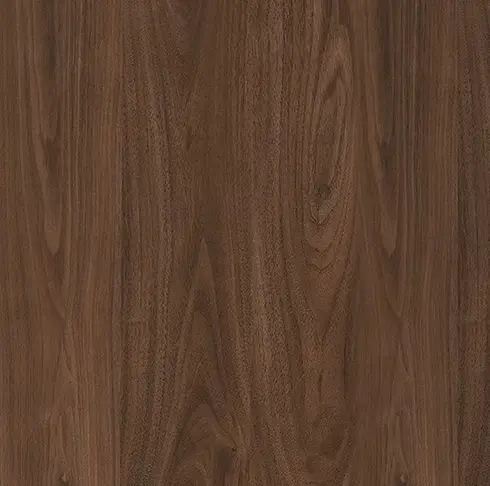
Comparing 3 Types of Wood Flooring (Solid Wood / Engineered Wood / Laminate) Which One Best Suits Your Home?
When deciding on flooring materials, the most popular question is: "Which type of wood is best?" While they may all look like wood at first glance, these three materials have completely different structures and lifespans.
1. Solid Wood
Solid wood is cut directly from a tree without any composite materials. It is a single, authentic piece of timber with its own unique character.
Structure: A Single Piece of wood. No matter where you cut or sand it, you will see the same natural grain inside and out.
Key Highlights: Uniqueness The grain and color are one-of-a-kind; no two planks are exactly 100% alike.
Longevity: With proper care, it can last for generations.
Refinishing: If it gets scratched over time, you can perform Sanding and refinish it to make it look brand new again.
2. Engineered Wood
This material was developed to reduce costs and solve the common issues found in solid wood, such as warping, shrinking, and expanding. It combines real wood with advanced technology.
Structure: The top layer is a Real Wood Veneer (approx. 3mm thick), while the base consists of multiple layers of Plywood stacked in alternating directions to increase strength.
Key Highlights: High Stability It has a very low chance of warping, bowing, or shrinking, making it ideal for tropical climates like ours.
Authentic Feel: Because the top surface is genuine wood, it provides a look and touch that is nearly identical to solid wood.
3. Laminate Wood
Technically, laminate contains no solid pieces of wood. Instead, it is made from wood by-products that are finely ground and compressed.
Structure: The core layer is High-Density Fiberboard (HDF) made from compressed wood particles. The top layer is a Photographic Wood Grain Image protected by a durable, scratch-resistant Overlay.
Key Highlights: Scratch Resistance Highly durable and scratch-proof, making it perfect for high-traffic areas or homes with pets.
Easy Maintenance: Very easy to care for—no need for sanding, staining, or frequent polishing.